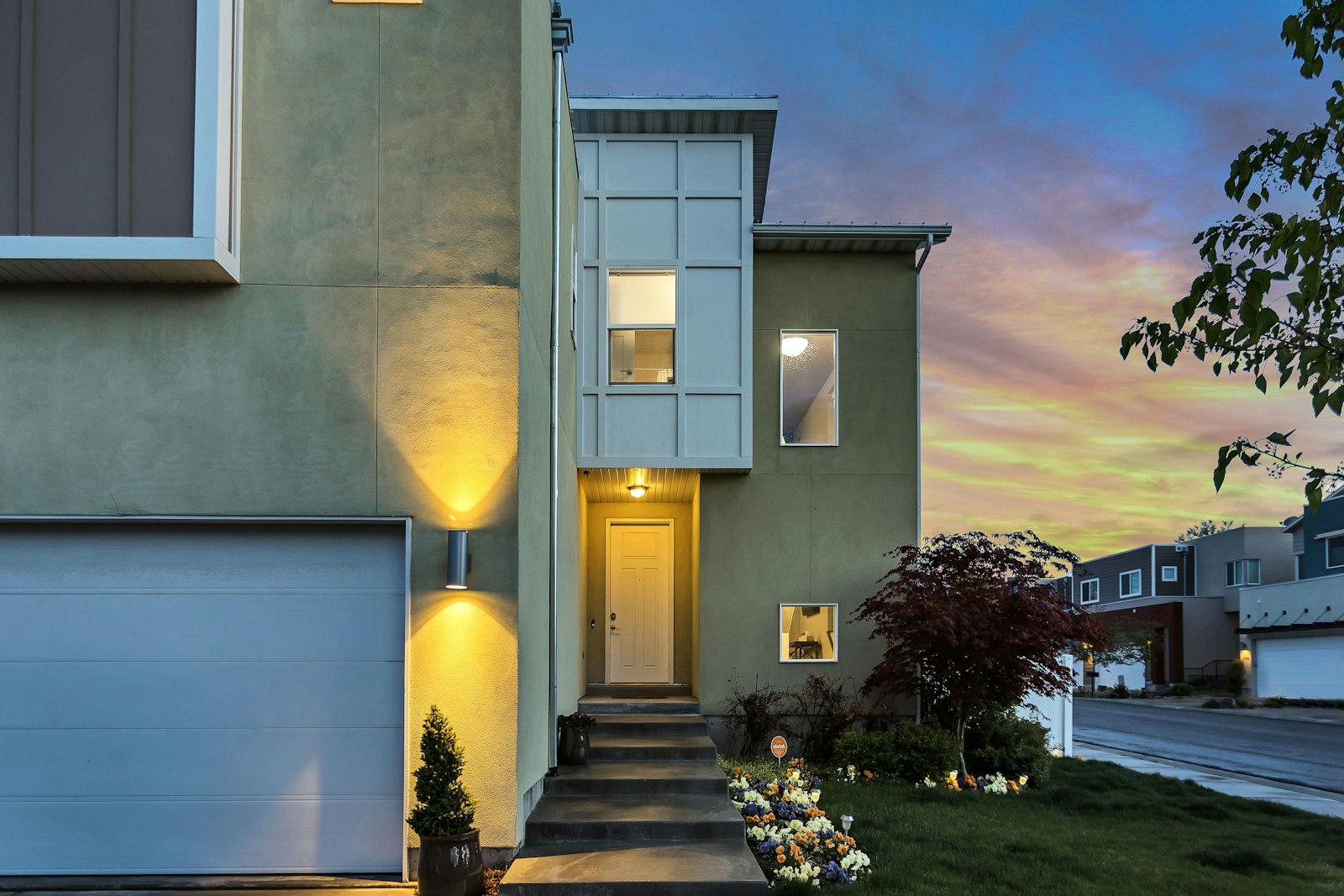
Choosing a new front door is not just a style decision. It affects security, insulation, maintenance, and the first impression your home gives from the street.
For many homeowners, a composite door is the best all-round option because it combines strong construction, modern locking, and a finish that stays looking smart without the upkeep of timber.
Start With The Look Of The Property
The right door should feel like it belongs to the house. A sharp contemporary slab design can work beautifully on a renovated property, while a more traditional panelled style often suits period homes or classic brick facades better.
Colour matters just as much. A bold shade can add personality, but the safest long-term choice is usually one that works with the brickwork, windows, and external details already in place.
Think Beyond Appearance
A good-looking door that performs badly quickly becomes frustrating. When comparing options, focus on:
- the locking system
- the quality of the frame
- the thermal performance
- the finish and durability of the outer skin
- the quality of the glazing and hardware
These details have a bigger impact on day-to-day satisfaction than brochure images alone.
Security Should Be A Baseline
Most homeowners start with appearance, but security should be non-negotiable. A solid composite slab, quality frame, and multi-point locking system make a noticeable difference compared with older or lower-grade entrance doors.
It is worth asking what hardware and cylinder options are included as standard rather than assuming every door is specified the same way.
Glazing Changes The Character
Glass can completely alter the look of a front door. It can also affect privacy and the amount of light in the hallway.
Full-height side glazing can brighten a dark entrance, while smaller decorative panels often suit more traditional homes. Frosted or patterned glass is usually the best middle ground if you want more light without opening up the whole entrance to view.
Energy Performance Matters More Than People Expect
An older front door can be one of the weaker thermal points in the entrance of a home. A well-fitted composite door with the right seals and glazing specification helps reduce draughts and creates a more stable internal temperature around the hallway and front rooms.
That means the benefit is not only on paper. You tend to notice it in comfort first.
Hardware Finishes Should Match The Whole Entrance
Handles, letterplates, knockers, hinges, and glazing cames all contribute to the final result. These small details are often what make a door look considered rather than pieced together.
If the rest of the property uses black, heritage, or brushed finishes, carry that through to the door furniture where possible.
Final Thoughts
The best composite front door is the one that balances style, security, and performance for your specific property. It should suit the house, feel solid in use, and still look right years after installation.
That is usually the difference between choosing from a brochure and choosing with the property in mind.